The Necessary Role of Kindergarten in Child Development: Truths and Insights for Moms and dads
Preschool serves as an important structure for youngster advancement. It uses structured very early knowing experiences that greatly influence cognitive, social, and emotional growth. Kids participate in activities that improve language abilities and crucial thinking while likewise discovering to navigate social communications. Comprehending the impact of this developmental phase is necessary for moms and dads. What specific benefits does preschool offer, and exactly how can moms and dads best support their youngsters throughout this crucial time?
The Importance of Very Early Knowing Knowledge
Although lots of may underestimate the relevance of early knowing experiences, they play a necessary role fit a kid's cognitive, social, and psychological development. During these developmental years, kids involve with their atmosphere, obtaining language skills and fundamental understanding that established the phase for future discovering. Exposure to varied knowing tasks cultivates critical thinking, creativity, and problem-solving capacities.
Early learning experiences aid kids establish self-regulation and strength, equipping them to encounter challenges ahead. Engagement in structured understanding atmospheres motivates interest and exploration, crucial attributes for academic success. These experiences likewise present children to regimens and assumptions, promoting a feeling of safety and security and belonging.
Study has revealed that high quality early education and learning can considerably affect long-term instructional end results, minimizing the probability of discovering problems. By stressing the significance of early knowing, educators and parents can better sustain kids within their full potential, ultimately adding to their overall wellness and future accomplishments.
Building Social Friendships and abilities
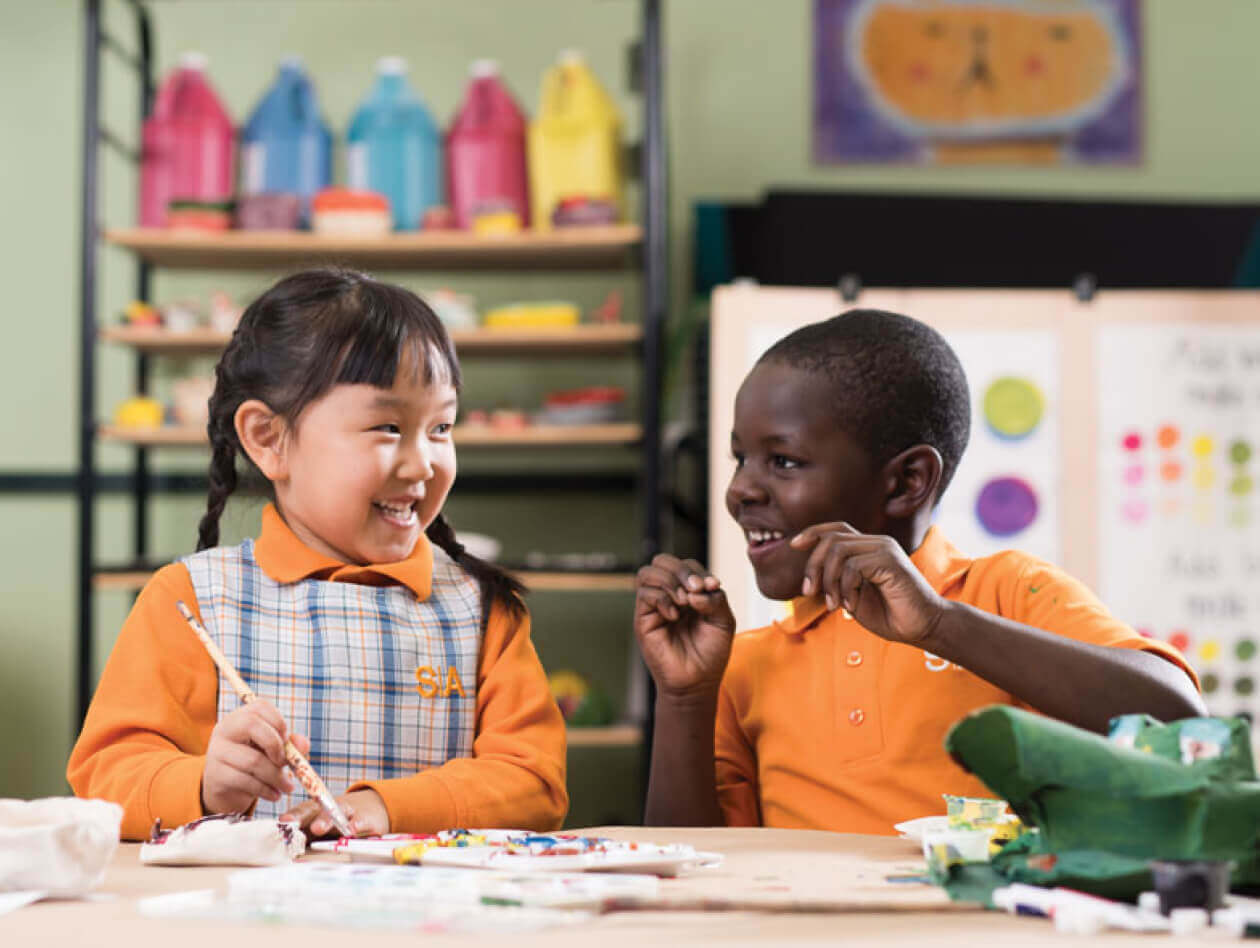
Structure social skills and developing friendships are vital aspects of a youngster's growth that often arise from very early discovering experiences. In kindergarten, youngsters engage in different activities that advertise interaction, interaction, and synergy. They discover to share, take turns, and cooperate, which are foundational skills for constructing relationships.
Structured play and team tasks urge kids to navigate social characteristics, fostering an understanding of various viewpoints and the significance of compassion. As they communicate with peers, they exercise conflict resolution and create settlement skills, important for preserving friendships.
In addition, these early social communications help youngsters grow a feeling of belonging and community, which is vital for their general well-being. By forming links with schoolmates, youngsters not just improve their social abilities however likewise acquire self-confidence in their capability to associate with others. As a result, preschool works as a critical system for nurturing social growth and friendship-building.
Establishing Emotional Intelligence
How do young kids begin to understand their very own emotions and those of others? In the kindergarten setup, youngsters take part in various tasks that advertise emotional knowledge. Through play, narration, and group discussions, they find out to recognize and classify their sensations. Educators usually introduce principles such as empathy by motivating children to assess just how others may feel in different circumstances.
Role-playing exercises allow youngsters to exercise acknowledging psychological cues, fostering an understanding of social characteristics. Additionally, directed discussions regarding dispute resolution assist them browse their emotional responses and establish dealing methods. By connecting with peers in organized settings, children gain insights into the psychological landscape of their classmates, which enhances their capability to create purposeful partnerships.
Eventually, kindergarten functions his explanation as an important system for supporting emotional knowledge, outfitting children with vital abilities for future social interactions and psychological health.
Fostering Self-reliance and Self-Confidence
In the preschool atmosphere, kids not just boost their psychological intelligence yet also begin to cultivate self-reliance and self-confidence. This essential developmental phase allows youngsters to make selections, address troubles, and take duty for their activities. Taking part in tasks that promote autonomy, such as selecting their own jobs or taking part in group tasks, helps children discover to trust their judgment and abilities.
As they navigate social interactions, kids gain confidence in sharing their ideas and emotions. Private School. Encouragement from educators and peers fosters a feeling of belonging, further improving self-confidence. Activities that call for team effort and cooperation likewise teach children to value their payments, strengthening their feeling of proficiency
Planning For Future Academic Success
As youngsters participate in organized learning experiences during preschool, they lay an important foundation for future academic success. This very early educational phase presents crucial abilities such as literacy and numeracy, enhancing cognitive advancement and cultivating a love for understanding. Through interactive activities, youngsters find out to adhere to guidelines, job collaboratively, and resolve troubles, all of which are necessary in higher scholastic settings.
Furthermore, preschool supports social-emotional abilities, making it possible for kids to handle their feelings, develop compassion, and construct relationships Source with peers. These abilities contribute significantly to a positive classroom environment and efficient understanding.
Research study indicates that youngsters that thrive in kindergarten are most likely to execute well in later grades, showing the long-lasting effect of early education and learning. Subsequently, parents play a significant role in supporting their youngster's preschool experience by reinforcing understanding at home and motivating inquisitiveness, thus preparing them for a successful scholastic journey ahead.
Often Asked Concerns
What Should I Try to find in an Excellent Kindergarten Program?
An excellent preschool program must emphasize play-based knowing, qualified teachers, a safe setting, a balanced curriculum, opportunities for social communication, and adult participation. Evaluating these elements guarantees a nurturing area for children's early development and growth.
Exactly How Can I Assist My Child Change to Kindergarten?
What Are Usual Difficulties Kid Face in Preschool?
Common obstacles kids encounter in kindergarten include separation anxiety, difficulty adapting to structured regimens, social skills development, and handling new connections. These issues can impact their general adjustment and discovering experiences during this critical adjustment duration.
Exactly How Can Moms And Dads Assistance Kindergarten Learning in your home?
Moms and dads can support kindergarten learning in your home click over here by supplying an organized regimen, engaging in interactive reading, urging innovative play, making use of instructional games, and promoting open interaction regarding college experiences to reinforce knowing and construct self-confidence.
What Is the Regular Daily Arrange in Kindergarten?
A normal daily timetable in kindergarten consists of morning circle time, organized discovering activities, snack breaks, playtime, and story sessions, all developed to cultivate social skills, imagination, and foundational academic concepts essential for very early growth.
In the preschool setup, youngsters involve in different activities that promote psychological intelligence. As children engage in structured learning experiences during kindergarten, they lay a vital structure for future scholastic success. Preschool supports social-emotional skills, making it possible for youngsters to handle their feelings, establish empathy, and develop partnerships with peers. Study indicates that kids that thrive in preschool are more most likely to perform well in later grades, demonstrating the long-term effect of early education. Typical difficulties children face in kindergarten include separation anxiety, trouble adjusting to organized regimens, social abilities advancement, and taking care of new connections.
Comments on “Why it matters of social skills development in Kindergarten”